
Monuments of Serbia in the municipality of Žabalj
The municipality of Žabalj, located in the heart of Vojvodina, preserves a rich heritage and the monuments of Serbia are an inseparable part of it. These monuments tell stories about the past, the culture and the people who shaped this region.
Memorial complex "Crna Ćuprija"
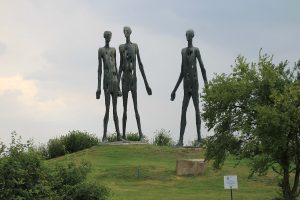
One of the most significant monuments of Serbia in the municipality of Žabalj is the Crna Ćuprija Memorial Complex. This complex is a symbol of resistance and freedom, a place where honor is paid to the heroes who died for freedom. It is located on the site where the battle for freedom was fought during the First World War, and today it is a place where people of all generations gather to pay tribute and remember the courage of their ancestors. The complex includes several elements that together form a harmonious whole dedicated to the memory of historical events.
Rodja's windmill in Čurug - the monuments of Serbia are not just sculptures, there are some buildings that even time cannot do anything about
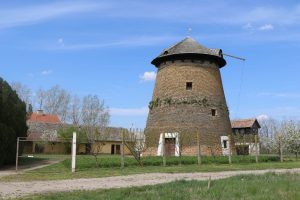
Rodja windmill in Čurug is a unique monument of Serbia that exudes tradition. The windmill has been restored and turned into a museum, providing an insight into the former way of life. Visitors can see how the windmill once used the power of the wind to grind grain, which was a key part of the region's economy. Today, the Rođa Windmill serves as an educational center where visitors can learn about renewable energy sources and the importance of preserving traditional crafts.
Monument to the fallen soldiers of Šajkaška and victims of fascism (Monument of Freedom), monuments of Serbia and the Second World War
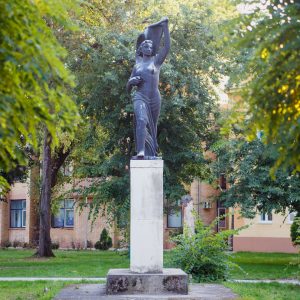
In the center of Žablja there is a monument to Sonja Marinković, dedicated to a prominent figure of Serbian culture. This monument is a place of gathering and memory of the great artist. Sonja Marinković was known as a fighter for women's rights, and the Cultural Center in Žablje, where numerous cultural events are held, bears her name today. The monument is an inspiration for all those who aspire to artistic expression and contribution to the social community. This monument is another example of how Serbian monuments preserve the memory of important people and their contribution to culture and society.
The author of the monument is the prominent Serbian sculptor Sava Sandić (1915 - 2016). It is located in the park, in the center of the town, and was discovered on November 29, 1952. To this day, the popular opinion is that the main motif of the monument, a bronze statuette of a young woman allegorically announcing freedom, represents Sonja Marinković, a heroine from the Second World War. On the stone pedestal, there are also two bronze reliefs - "Slaughter" and "Fight".
Spomenik “Narikača” u Đurđevu
Spomenik “Narikača” u Đurđevu simbolizuje tradiciju i običaje ovog kraja. Ovaj spomenik je omaž životu i običajima koji su vekovima prenošeni, ali najviše simbolizuje stradanje naroda kroz krvavu istoriju. Narikače su bile žene koje su na sahranama oplakivale preminule, izražavajući tugu zajednice. Postavljen je na centralnom mestu u selu i često je deo kulturnih manifestacija koje se održavaju u Đurđevu. Posetioci ovde mogu da saznaju više o narodnim običajima i da se podsete na važnost očuvanja kulturnog nasleđa, što je još jedan način na koji spomenici Srbije čuvaju našu prošlost i podsećaju na naše stradale pretke koji su zaslužni što Srbija danas postoji.
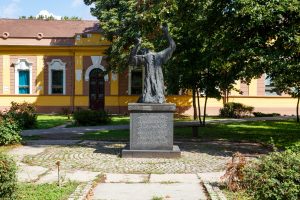
Monument to NOR fighters in Đurđevo
Đurđevo, as a place of rich history, is home to the Monument to the Fighters of the National Liberation War (NOR). This monument honors the fighters who sacrificed themselves for freedom during the Second World War. Placed in the center of the village, the monument is a gathering place to mark important dates in history and reminds us of the importance of preserving peace.
Museum in Žabalj
The museum in Žablje is a cultural treasure and a center for preserving the history of the municipality. This museum houses a variety of exhibits that depict the historical development, culture and art of the area. Visitors can get acquainted with archaeological findings, ethnographic objects, as well as works of art that reflect the spirit and identity of Žablje and its surroundings. The museum also organizes educational programs, workshops and exhibitions that promote local history and culture, making it an important place for learning and inspiration.
Museum of Raid Victims in Čurug
The museum is located in the building of the former grain warehouse of Branko Novakov - Topalov ("Topal's warehouse"), in which several hundred residents of Čurug were killed during the infamous raid of the Hungarian fascists in January 1942.
The Museum's permanent exhibition is the photographs of the victims of the raid in 1942, but the main exhibition is the building itself, where that terrible crime against the Serbian people took place. The Museum building was placed under state protection as a historical monument. In the Museum, there are printed lists of raid victims from Čurug, Žablje, Đurđevo, Gospodginac, Titel, Mošorin, Lok, Gardinovci, Vilov, Šajkaš, Novi Sad, Srbobran and Bečej.
Aircraft Wing in Gospođinci, Monuments of Serbia and Air Force
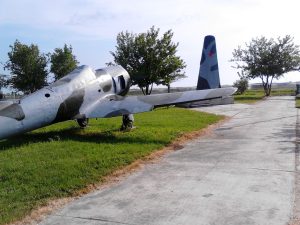
The symbol of Gospodjinaci is the Avionsko krilo, a former Russian-partisan airport in the Second World War. The Motorcycle Club "Eskadrila" from Gospodginac takes great care of this place, they renovated it and made it a nice picnic spot. Every year a motorcycle rally is held there.
Cultural events, preservation of tradition and proof that the monuments of Serbia do not have to be made only of bronze and stone
Opština Žabalj je poznata po brojnim kulturnim manifestacijama koje promovišu i očuvaju tradiciju i nasleđe ovog kraja. Svake godine se organizuju događaji kao što su "Žabaljske večeri", "Čuruška jesen" i "Gospojinski dani", koji okupljaju umetnike, zanatlije i folklorne ansamble iz celog regiona. Ove manifestacije ne samo da oživljavaju običaje i tradiciju, već i omogućavaju mladima da se upoznaju sa kulturnim nasleđem svog kraja. Ove manifestacije su prilika da se spomenici Srbije dodatno istaknu i da se promovišu vrednosti koje oni predstavljaju.
Monument to the Victims of the Raid in Čurug
Nalazi se na oko 6 km od naselja, na nasipu pored Tise – u blizini mesta gde su žrtve pobijene i bačene pod led. Spomenici srbije često sa sobom nose prikaz jednog teškog perioda za srpski narod i druge narode koje su zajedno stradali sa Srbima.

Monument to the Mother Who Protects a Child with an Embrace, Monuments of Serbia and Victims of the Raid
In the center of Čurug, it is located next to the school, with a plaque in the lawn, which explains that it is also part of the commemoration of the victims of the raid.

The Monument of Reconciliation, the monuments of Serbia also depict the sadness of other nations
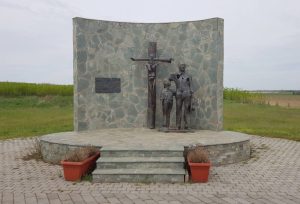
In Čurug, the Reconciliation Monument was erected in memory of the innocent Hungarian victims who died in 1945.
Conclusion: The monuments of Serbia reflect our heroic past
Monuments in the municipality of Žabalj represent important cultural and historical points that preserve memories of past events and personalities. They are a bridge between the past and the present, reminding us of the values of freedom, culture and tradition. A visit to these monuments enables a better understanding of the history and cultural heritage of Vojvodina, inspiring all generations to nurture and preserve their heritage. The monuments of Serbia in the municipality of Žabalj are precious guardians of our past and an important part of our cultural identity. Posetite Žabalj i oplemenite sebe kulturološki.